Is Bennett Right For Your First Acreage Home?
February 5, 2026
February 5, 2026
Craving more elbow room without giving up access to Denver and DIA? If you are eyeing your first acreage home, Bennett in eastern Adams County offers a blend of open space and small-town living that many buyers find appealing. You also want clear facts about commute time, wells and septic, zoning, and day-to-day services before you decide. This guide walks you through what to expect in Bennett so you can choose with confidence. Let’s dive in.
Bennett sits on Colorado’s High Plains, east of the Denver metro core. The terrain is mostly flat to gently rolling, with a semi-arid climate, cold winters, warm summers, and frequent wind. Wildfire risk is often lower than in the foothills, though grass and prairie fires can occur.
Commuting to the city is realistic for many buyers, but it depends on where you start and end, plus time of day. Expect about 30 to 60 minutes to downtown Denver in typical conditions. Access to Denver International Airport is often quicker, commonly 20 to 45 minutes from parts of Bennett.
If a commute matters, test your routes at normal drive times using live navigation. Check for roadwork with state transportation updates. If your employer offers hybrid work, even a longer drive a few days a week can be workable.
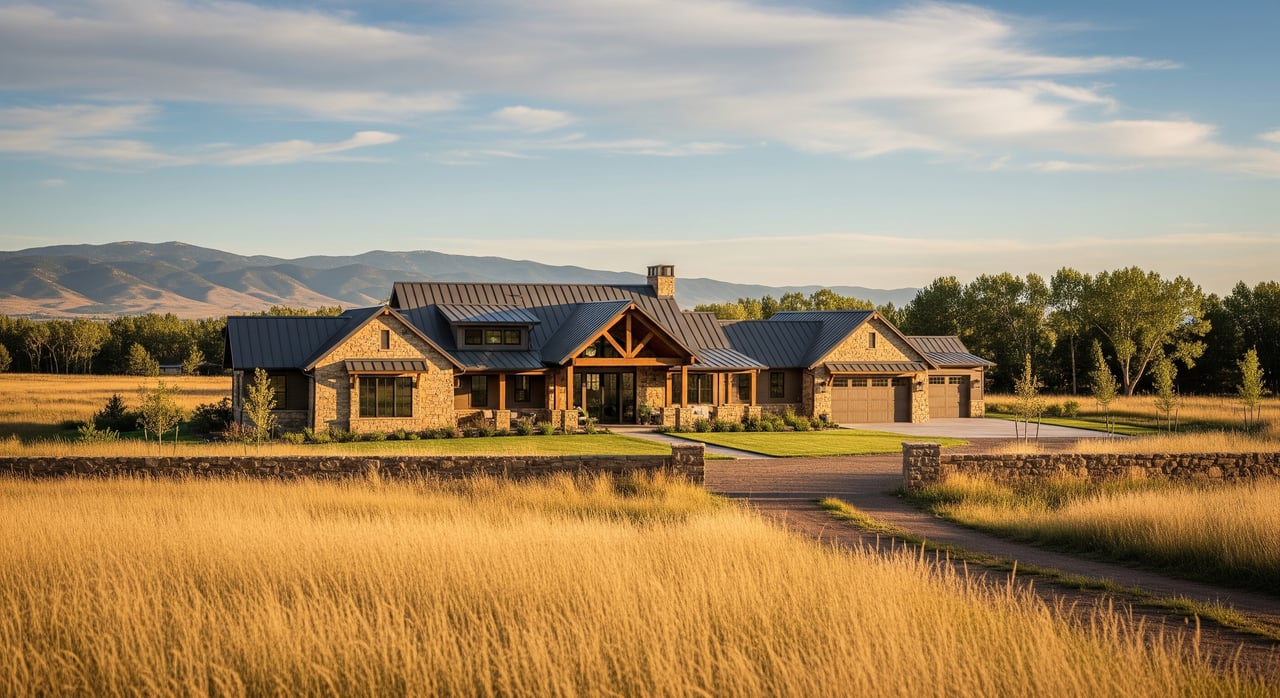
You will see a mix of property types in and around town. Options range from small ranchettes to larger agricultural tracts. Lot sizes are varied, and the feel changes as you move away from the town center.
These parcels are popular with first-time acreage buyers. They often support small-scale animal keeping, horses, gardens, and simple outbuildings. Many buyers find 1 to 5 acres is enough for a horse or two, a shop, and privacy.
Rural homes on larger lots give you space for a big yard, additional garages, and separation from neighbors. Parcels from 5 to 35 acres are common as you move farther from town. Covenants may apply in some subdivisions near Bennett.
Large tracts focus on crop or livestock use and may carry different tax rules and water considerations. You will also find vacant land marketed for a future build or seasonal use. If you plan to build, confirm that zoning and utilities support your goals.
Parcels may be inside the Town of Bennett or in unincorporated Adams County. Zoning, permitted uses, and rules for wells and septic differ by jurisdiction. Always confirm the governing rules with the appropriate planning and zoning staff.
Many rural parcels do not have HOAs, while some subdivisions do. Covenants can set minimum building sizes, limit certain uses, or control outbuildings. Ask for all deed restrictions up front so you understand what is allowed.
Acreage buying is different from suburban home shopping because you take on more of the property’s systems. Plan time to verify water, wastewater, power, broadband, and access.
Many acreage homes rely on private wells. Well depth, yield, and water quality vary, so request the well permit, well log, and a recent flow test. A water-quality test is smart for health and lending.
Colorado water rights are complex, especially for larger agricultural parcels. If irrigation ditches, water shares, or augmentation plans are involved, investigate them early through state water resources channels. Make sure the water setup matches your intended use.
Septic systems handle wastewater on many rural properties. Suitability depends on soils and county health rules. Before closing, get a septic inspection and confirm the system size, condition, and location. If you plan to build, a perc test and site evaluation are essential.
Electric service is generally available, though remote parcels may need a new service drop or line extension. Many rural properties do not have natural gas service, so propane or electric heating is common. Contact the utility provider for estimated costs and timelines.
Broadband availability varies across rural Adams County. Options can include cable or fiber near service areas, fixed wireless, LTE cellular, and satellite. Confirm address-level availability before you buy so your work and streaming needs are covered.
Road types range from paved county roads to gravel and private drives. Maintenance varies by road; private drives are typically the owner’s responsibility. Ensure there is a recorded access easement if the parcel is served by a private road or crosses another property.
Bennett offers local basics such as fuel, small retail, restaurants, and service businesses. For larger grocery stores and specialty retail, many residents drive to larger nearby communities or into Aurora/Denver. Map out your frequent stops to see how the drive fits your routine.
School assignments depend on district boundaries. Confirm the assigned schools for the specific property address and review program information through official district and state channels. Private and charter options are primarily located across the broader metro area.
Emergency response is often a mix of town or county sheriff and local fire protection districts. Response times can be longer in rural settings. Hospitals and urgent care clinics are more common in larger nearby communities, with acute care typically in the Aurora and Denver region.
If you enjoy the outdoors, Bennett suits horseback riding, gardening, and open prairie views. Some residents use ATVs or UTVs on their land, subject to local rules. The Front Range foothills and open spaces are within reach for weekend trips.
Acreage near the Denver metro has seen steady demand as more buyers seek space. Pricing depends on parcel size, improvements like outbuildings and fencing, and proximity to paved roads and highways. Review recent comparable sales in Bennett and nearby Adams County communities for a clear picture.
Loans for acreage can differ from typical suburban mortgages. Lenders look at lot size, agricultural use, and whether a permanent home exists on the parcel. Local banks and credit unions may be more comfortable with rural loans, and specialty lenders can help with agricultural or vacant land financing.
If a property lacks conventional utilities or is classified as vacant land, expect different terms or higher rates. Start lender conversations early so you know which properties fit your budget and loan type.
Property taxes reflect assessed value and local mill levies. Some owners seek agricultural classification to reduce taxes, but this usually requires proof of income-producing agriculture or livestock. Confirm eligibility with the county assessor before you count on it. Mineral rights can be severed, so verify what conveys with the sale.
Rural homeowners insurance can cost more if you are farther from a fire station or have multiple outbuildings and animals. Check ISO ratings with the local fire district and confirm coverage with your insurer. Review FEMA flood maps if the property sits in a low-lying area, and consider defensible-space practices even on plains properties.
Resale value improves when a property has paved-road proximity, reliable access, documented well and septic, and permitted uses that match buyer demand. Outbuildings, fenced pastures, and functional infrastructure tend to attract more buyers and support faster sales.
Bennett could be a strong match if you:
You may want to pause and verify details if you:
Use this short checklist to stay on track:
Buying your first acreage home comes with new variables, but you do not have to figure it out alone. As a boutique brokerage based in Bennett, our team understands local wells, septic rules, equine features, outbuildings, and the day-to-day realities of life on the High Plains. You get owner-led guidance, steady communication, and practical expertise from search to closing.
If you want a clear plan tailored to your goals, reach out to Look East Realty. We will help you confirm the essentials, compare options, and move forward with confidence.
Discover unparalleled real estate service at Look East Realty. Our commitment to quality and confidentiality ensures your satisfaction. Trust our experienced team to meet all your needs.