Large‑Lot Living In Centennial: Outbuildings And RVs
January 1, 2026
January 1, 2026
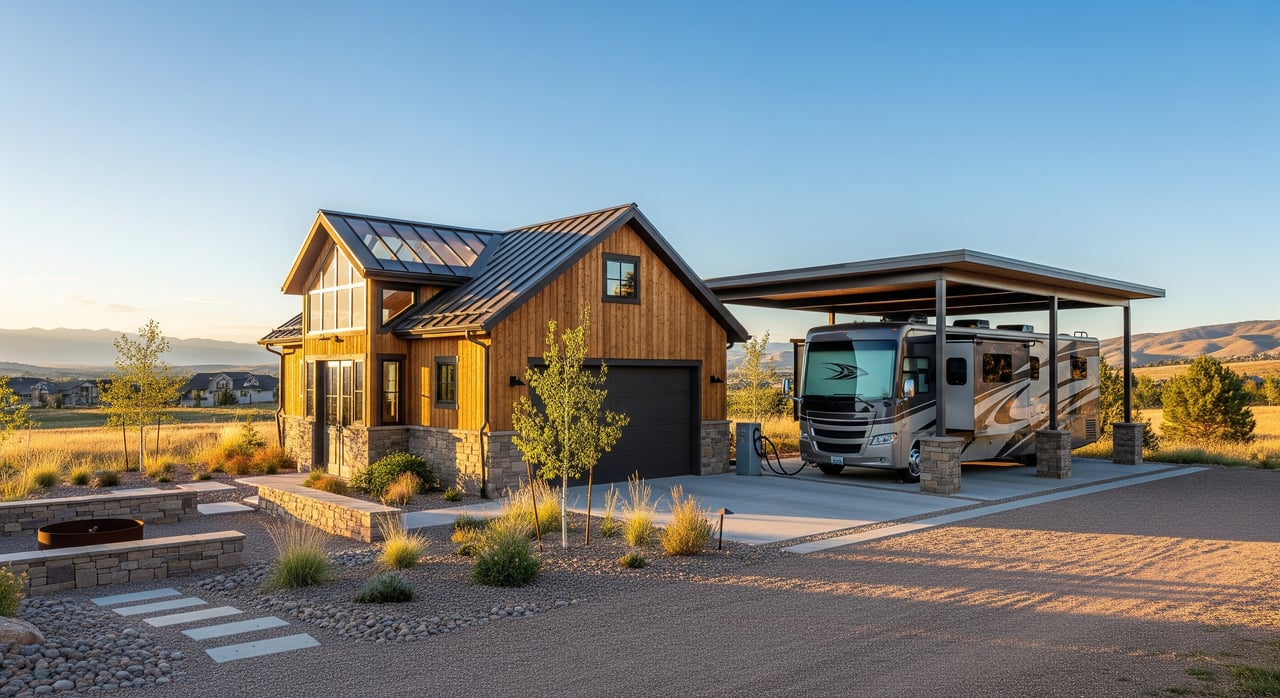
Thinking about a home in Centennial with room for a detached shop, extra storage, or a place to park the RV? You are not alone. Large-lot living is appealing when you want space for projects and gear, but the rules can be confusing. In this guide, you will learn how city code, HOAs, and recorded property documents work together, plus the steps to protect your plan before you buy. Let’s dive in.
When your plans involve outbuildings or RV parking, several decision-makers can affect your property. The City of Centennial controls zoning and permits, your HOA (if any) enforces covenants, and county records show plats and easements that limit where you can build. Utility providers and county public health rules can also matter if you need water, sewer, or septic connections. A title company or real estate attorney can help you verify recorded restrictions and easements.
Start by confirming the property’s zoning district with Centennial’s Planning and Zoning team. Look for rules on accessory uses, setbacks, height, and maximum footprint for detached structures. Check permit thresholds, since most places require permits above a small size and always for electrical, plumbing, or mechanical work. Ask about lot coverage, stormwater, and driveway or curb cut approvals if you plan a new pad or a wider apron.
Centennial’s parking rules may restrict where RVs, trailers, and boats can sit on private property. Many cities limit long-term parking to side or rear yards and may require screening so vehicles are not visible from the street. Also verify any overlays like floodplain or conservation areas that could add extra steps or design review.
If the home is in an HOA, plan on architectural approval before building or storing visible vehicles. Expect standards for size, location, setbacks, and design so an outbuilding aligns with the main home. Many HOAs limit metal or industrial-looking structures, require color matching, and forbid using outbuildings as a separate dwelling. For RVs and boats, screening, side or rear placement, and time limits for guest parking are common.
HOAs enforce through notices, fines, and in some cases removal of unapproved improvements. Many boards will approve a well-designed plan that meets published guidelines, but approvals can be discretionary. Give yourself time, submit a complete package, and confirm how the review calendar works in that community.
Check Arapahoe County’s recorded plats, easements, and the legal description. Easements for drainage, utilities, or access can block where you want to build or park. If the property uses a well or septic, verify rules with the appropriate utility providers and county public health for any plumbing or greywater plans. Ask your title company or attorney to flag any recorded restrictions and to confirm exceptions in the title commitment.
Your plan is shaped by city rules and HOA covenants together. A property can meet city code but still be limited by HOA design standards or vehicle rules. Common patterns include allowing detached buildings within set size and height limits, requiring them in rear yards, and limiting visible RV storage. New driveways or RV pads may count toward impervious surface and can trigger stormwater review or curb cut approvals.
If the property has no HOA, you still need to follow Centennial’s zoning, setbacks, height, and permit rules. If there is an HOA, treat both frameworks as equally important and assume the more restrictive rule controls.
A clear plan up front will save you time and money. Gather documents, walk the site with a critical eye, and talk to the right people before you commit.
Strong contingencies let you move forward confidently and step back if the plan will not work. Work with your agent and attorney to tailor the details.
CC&R and HOA review contingency. Allow time to obtain and review all HOA documents and to verify your intended use is permitted or approvable.
Sample clause: “This contract is contingent upon Buyer’s review and written approval of the property’s recorded CC&Rs, rules, and architectural guidelines within ___ days. If Buyer determines, in Buyer’s sole discretion, that the CC&Rs would prevent Buyer’s intended construction and/or RV parking, Buyer may terminate and receive a full refund of earnest money.”
Permitability contingency. Make closing dependent on confirmation from Centennial that your proposed building and RV parking are permitted without a variance, or that needed variances can be secured within a set timeline.
Sample clause: “This contract is contingent upon Buyer’s ability, within ___ days, to obtain written confirmation from the City of Centennial that the Buyer’s plan to construct a detached accessory building of approximately ___ sq ft and to park an RV in the side/rear yard is permitted without the need for a variance or special exception. If permits or variances cannot be obtained on reasonable terms, Buyer may terminate or renegotiate.”
Survey and setback contingency. Require an updated survey that confirms setbacks, easements, and coverage limits are compatible with your plan.
Seller disclosure and cooperation. Ask the seller for prior permits, ARB approvals, and surveys, and require cooperation in providing access or documentation.
Sample clause: “Seller shall deliver to Buyer, within ___ days of contract, copies of all permits, ARB approvals, surveys, and any notices of violation related to accessory structures or vehicle storage.”
Unpermitted work inspection. Reserve the right to investigate existing outbuildings or pads and to require remediation, retroactive permits, or credits if work is unpermitted.
Negotiation levers. If you discover issues, consider a seller credit, price reduction, or longer contingency period to secure approvals before closing.
Costs vary with size, foundation type, and whether you want power, heat, or plumbing. Electrical service upgrades and sewer or septic connections add cost and require permits and inspections. Insulation and heating can trigger more stringent code requirements that affect the scope and timeline. New hardscape for a driveway or RV pad can affect stormwater compliance and may need a curb cut or right-of-way approval.
A new detached shop increases the replacement value that your insurer needs to cover. Talk to your insurance provider about coverage and any endorsements for outbuildings. Significant improvements can also be reassessed for tax purposes by the Arapahoe County Assessor. Most CC&Rs and zoning codes restrict commercial activity in accessory buildings and do not allow you to use an outbuilding as a separate dwelling.
Many HOAs restrict portable metal buildings, shipping containers, and temporary storage units. Even if allowed, there are often time limits for temporary parking or guest RV stays. Verify whether design standards require a foundation, matching materials, or color coordination with the main home.
Drainage, slope, rock, and trees can limit where you can build. Some municipalities require tree protection or landscaping as a condition of approval. Even when the rules allow your plan, strong neighbor opposition can complicate HOA reviews or variance requests. Documenting local precedents and presenting a clean design can help.
Buying a large-lot home is about more than square footage. It is about fit, feasibility, and a plan that works on day one. With owner-led service, local zoning familiarity, and title and escrow experience, we help you gather the right documents, coordinate surveys, and confirm city and HOA paths before you are committed. We also build protective offer terms that keep your plan intact and your timeline realistic.
If you want space for a shop, RV, or both in Centennial, we can help you find the right property and avoid surprises. When you are ready, reach out to Look East Realty to get a practical plan tailored to your goals.
Discover unparalleled real estate service at Look East Realty. Our commitment to quality and confidentiality ensures your satisfaction. Trust our experienced team to meet all your needs.