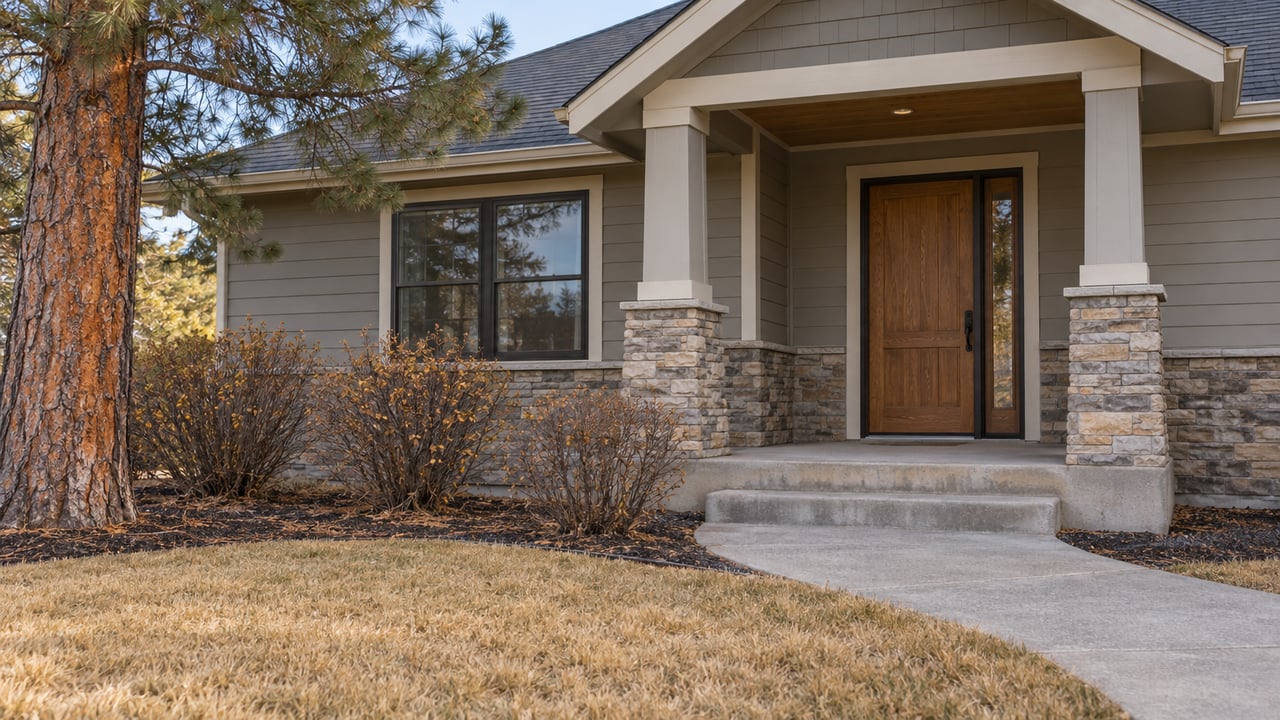
Preparing Your Watkins Acreage For Metro Denver Buyers
May 28, 2026
May 28, 2026
Wondering how to make your Watkins acreage stand out to buyers coming from Metro Denver? Most of those buyers are excited by open space, barns, and room to breathe, but they also want clear answers about access, water, septic, and day-to-day upkeep. If you are getting ready to sell, a little planning can make your property easier to understand, easier to show, and more appealing during due diligence. Let’s dive in.
Buyers shopping Watkins acreage often see something very different from a typical suburban home. They may love the land, views, and flexibility, but they also want confidence that the property functions well and has the right paperwork behind it. That means your prep should focus on both presentation and practical details.
In Watkins and unincorporated Arapahoe County, parcel-level details matter. Bennett-Watkins Fire Rescue serves the area, so access, gates, address visibility, and fire review can all become part of the conversation when buyers look closely at a property.
First impressions begin before a buyer reaches the house. A long rural driveway should feel maintained, easy to follow, and simple to understand from the road all the way to the home, barn, or shop.
Arapahoe County treats private access and driveways as regulated features, and maintenance responsibility falls on the owner. If your property uses shared access, recorded access easements are required, so it helps to have those documents ready before you list.
Metro buyers often ask practical questions right away. Can delivery trucks get in? Is there room to turn around? How do the gates work?
Bennett-Watkins Fire Rescue asks for site plans showing road dimensions, gates, and road base, and its final inspection checks driveway dimensions and address visibility. Even if you are not building new improvements, those standards help show you what details matter to a buyer evaluating rural access.
If your acreage is reached by a private road or shared easement, spell that out in simple terms. Buyers should know who handles grading, snow removal, gravel, and drainage, and whether those costs are shared.
This is one of the easiest ways to reduce confusion. When buyers understand access expectations early, they can make decisions faster and with more confidence.
On acreage, buyers look at more than the house. They notice fence condition, gate alignment, barn doors, loafing sheds, detached garages, and storage buildings because those features shape how the property feels and functions.
Take time to remove clutter, stack materials neatly, and make outbuildings look purposeful. A tidy barn area and clean fence line can help your property photograph better and show that the acreage has been cared for.
Wildfire mitigation is not just a safety issue. It also improves how the property looks and helps buyers see each structure more clearly.
The Colorado State Forest Service recommends defensible space around every structure, including barns, storage buildings, and detached garages. It also advises removing debris from roofs, gutters, and decks, which can make the whole property feel better maintained.
A clearly marked address is a small detail that carries real weight on rural property. Buyers, inspectors, appraisers, and service providers all benefit when the address is easy to spot from the road.
Arapahoe County Appendix R requires visible reflective street numbers, and Bennett-Watkins Fire Rescue offers a reflective address-sign program for rural properties. This simple upgrade supports both safety and presentation.
For many Metro Denver buyers, septic is one of the biggest unknowns. If you can answer questions early and provide records upfront, you remove a major source of hesitation.
Arapahoe County says the seller must obtain an OWTS use permit before the sale. The county also says septic tanks should be inspected every four years, and inspection records can be searched online. If you have a recent inspection report and the required permit process underway, your listing will feel much more buyer-ready.
It also helps to show that the system has been protected. Arapahoe County advises leaving the soil treatment area largely untouched and keeping livestock off it, so check that area before showings and clean up anything that could raise questions.
Water matters on every acreage property, and buyers want specifics. If the home uses a private well, make it easy to verify the permit, allowable uses, and basic water-quality information.
The Colorado Department of Public Health and Environment says private wells are not regulated under the Safe Drinking Water Act, which means the owner is responsible for water safety. The Division of Water Resources maintains well-permit files with allowable uses and construction records, and CSU Extension recommends yearly nitrate testing for private wells.
A recent water test and a copy of the well permit can go a long way. Instead of leaving buyers to guess, you give them a clear starting point for understanding the property.
Suburban buyers often expect a standard set of home-prep steps, and radon testing fits that mindset. It is not always the first thing sellers think about on acreage, but it can be a useful confidence-builder.
Arapahoe County Public Health says radon is common locally and recommends testing when preparing to buy or sell. If you already have recent test results, that can help buyers feel more informed from the start.
A well-prepared seller packet can make a Watkins acreage feel far less intimidating to a Metro Denver buyer. Instead of sorting through unknowns during contract deadlines, they get a more complete picture upfront.
The most useful packet for this type of listing includes:
This kind of organization helps reduce friction during due diligence. It also signals that you have taken the property seriously and prepared it for a smooth sale.
Buyers should not have to guess how the property is served. If service is public, identify the district or company approval. If the property uses a private well or septic system, show the relevant approvals from the Division of Water Resources and county health authorities.
This matters even more if you have accessory space, added living areas, or detached improvements. County materials show that utility and wastewater approvals can be important for added living space, so accuracy here is essential.
If your acreage is subject to HOA rules, CC&Rs, deed restrictions, or shared-use agreements, put them in plain English. Buyers do not want legal surprises after they fall in love with the land.
Arapahoe County notes that private HOA compliance is the owner’s responsibility and will not be independently verified by the county. That makes seller clarity even more important.
One of the fastest ways to lose a serious acreage buyer is to be unclear about how the property is reached and maintained. If access is shared, say so. If there is an easement, provide it. If the driveway is private, explain maintenance responsibility.
These details may seem routine to a rural owner, but they are often new territory for a Metro buyer. Clear answers help your property feel manageable rather than complicated.
Brush, debris, and overgrown areas can make buyers worry about safety and maintenance. Cleaning those areas up improves both the showing experience and the property’s overall impression.
If you are planning brush cleanup, remember that Bennett-Watkins Fire Rescue says open burning requires contacting the district beforehand, and burn bans are enforced district-wide. Check the rules before doing any burning on site.
Open space and views may get buyers to click on your listing, but practical readiness is what keeps them engaged. A polished acreage listing should show not only the lifestyle, but also the systems, documents, and access details that support it.
That is especially true when you are marketing to buyers coming from Metro Denver. Many are looking for country living within reach, but they want that move to feel organized and informed.
Preparing a Watkins acreage for Metro Denver buyers is really about reducing uncertainty. When your access is clear, your structures are cleaned up, your safety prep is visible, and your paperwork is ready, buyers can focus on the value of the property instead of the risk.
That kind of preparation can make a major difference in how your home is perceived online, in person, and during negotiations. If you want a local, practical plan for presenting your acreage to the right buyers, Look East Realty can help you build a smart strategy around the property’s strengths.
Discover unparalleled real estate service at Look East Realty. Our commitment to quality and confidentiality ensures your satisfaction. Trust our experienced team to meet all your needs.