Thinking about trading city blocks for big skies near Byers? Utilities work a little differently in the country, and knowing how they’re set up can save you time, money, and headaches. You want room to roam, but you also want dependable water, heat, internet, and clear expectations on roads and trash service. In this guide, you’ll learn what to expect around Byers, typical costs, and the key tests and documents to ask for before you write an offer. Let’s dive in.
Big picture: utilities around Byers
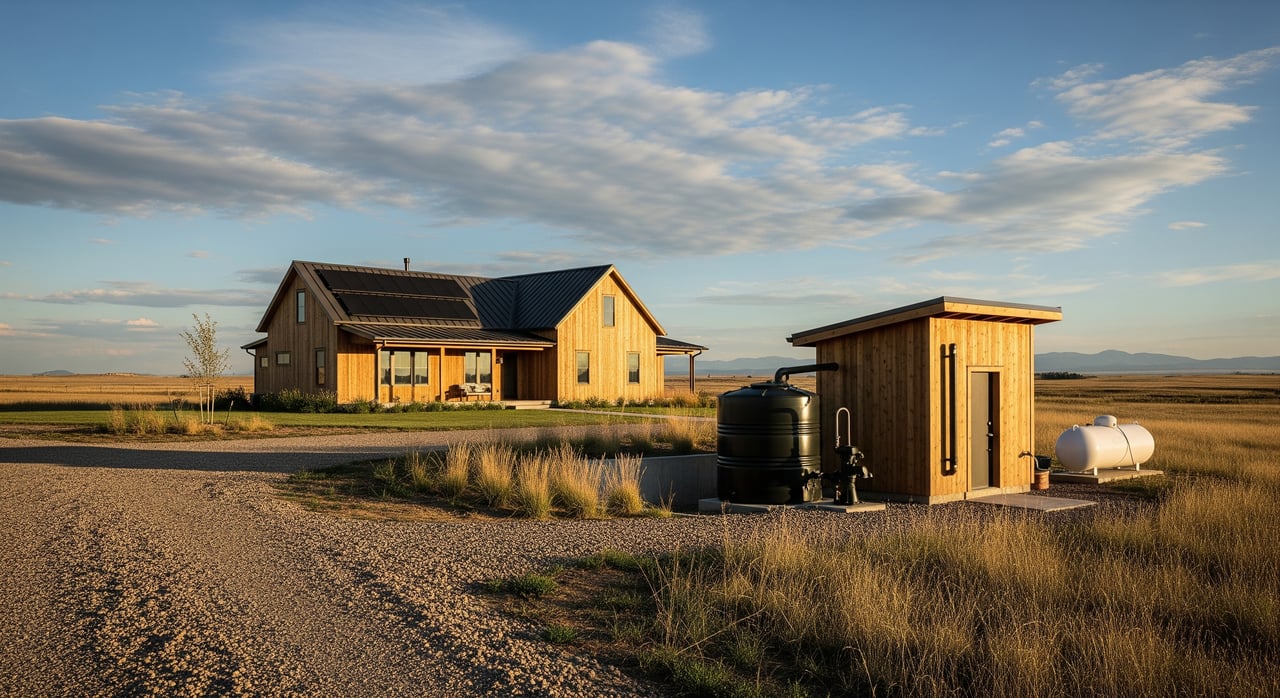
Many properties near Byers sit on larger lots outside municipal service areas. That usually means:
- Private wells and septic systems instead of city water and sewer.
- Propane or electric heat if natural gas lines do not reach the parcel.
- Electric service from a major utility or cooperative, depending on location.
- Internet that could be fixed wireless, cellular home internet, satellite, or DSL near town.
- Trash and recycling handled by private haulers or self-haul to transfer stations.
- Roads and snow maintained by the county on public roads, with private owners handling private drives.
Coverage maps can be wrong. Always confirm serviceability for the specific address with providers and on site.
Private wells: testing and paperwork
In rural Byers, private domestic wells are common because municipal water lines do not extend to many large-lot areas. Wells are permitted and recorded with the Colorado Division of Water Resources. Some wells fall under domestic use exemptions that come with limits, so it is important to verify the exact permit details for the property you are considering.
What to request from the seller:
- Well log or driller’s report. Confirms depth, casing, and geology.
- Pump test or yield data. You want gallons per minute and drawdown.
- Recent water quality lab report. Ask for certified tests for coliform/E. coli, nitrates, arsenic, uranium, and metals. Ideally within the last year.
- Equipment details. Age of pump, pressure tank size, and any treatment systems.
- Permits and agreements. The well permit or registration, plus any shared well agreements or easements.
Costs and practical ranges:
- Water testing. Basic bacteria and nitrate panels often run about 25 to 100 dollars depending on the lab.
- Drilling a new well. Highly variable. Shallower wells can be several thousand dollars. Deeper or complex wells can run tens of thousands. Always obtain local bids.
- Pump replacement. Often 1,500 to 5,000 dollars or more depending on depth and complexity.
Risks to watch:
- Low yield or seasonal drawdown. Some wells produce less during dry periods.
- Water quality issues. Nitrates or arsenic may require treatment.
- Shared wells. You need a clear, written agreement for maintenance and cost sharing.
Septic systems: permits, maintenance, and inspections
Many Byers-area homes use on-site wastewater systems. These are regulated by Arapahoe County with statewide guidance from the Colorado Department of Public Health and Environment. Systems range from conventional septic tanks with leach fields to engineered options for poor soils.
What to request:
- Permit and as-built. A site plan showing tank and leach field locations.
- Pumping and maintenance records. Dates, frequency, and any service contracts.
- Inspection report. If records are thin, plan for a full inspection and dye test.
Costs and practical ranges:
- Septic inspection. Generally a few hundred dollars depending on scope.
- Routine pumping. About 200 to 500 dollars depending on tank size and access.
- Replacement. Conventional systems commonly range from 8,000 to 25,000 dollars or more. Engineered systems can cost more.
Risks to watch:
- Failed or undersized systems. Older systems may not meet current code.
- Leach field limits. Expansion plans, like adding bedrooms, can be constrained by the field or soils.
- Unknown locations. Unmarked tanks and fields can complicate landscaping or future additions.
Energy: propane, electric, and natural gas
Natural gas service does not reach many rural parcels east of the metro. Propane and electricity are the most common energy sources.
Propane basics:
- Tank ownership. Tanks are either owned by the homeowner or leased from a local supplier. Ownership affects transfer and maintenance.
- Deliveries. Rural delivery schedules can tighten during cold snaps. Keep an eye on tank levels.
- Costs. Propane prices fluctuate by season and market. A typical 250 to 500 gallon fill is simply gallons needed times the local price per gallon.
- Safety. Confirm the tank is certified, note if it is buried or above ground, and verify line and appliance checks are current.
Electric service:
- Provider varies by parcel. Some addresses fall under a major investor-owned utility while others connect to a cooperative. Confirm the provider early in your process.
- Bills and load. Ask for 12 months of electric bills. Electric heat can drive winter costs higher in larger rural homes.
- Infrastructure. Long service runs or older panels can affect reliability and upgrade costs.
Natural gas:
- Availability is limited. If an MLS listing says “gas,” verify whether that means propane or a natural gas utility line. Call the utility about serviceability or line extension costs if needed.
Energy documents to request:
- Propane tank paperwork. Ownership or lease documents, plus most recent fill invoice.
- Utility bills. Last 12 months for electric and any gas service.
- Service agreements. Generator maintenance, propane contracts, or solar leases.
Internet and phone: working from the plains
Rural internet is improving, but service types and speeds vary by exact location and terrain. Use multiple checks and verify on site at the address.
Common options near Byers:
- Fixed wireless. An antenna on your home connects to a nearby tower. Speeds can be solid with a clear line of sight.
- DSL or copper. More common closer to town centers and along highways.
- Cable or fiber. Rare on large rural parcels, though fiber projects are expanding in some areas.
- Satellite. Geostationary providers are available almost everywhere but have higher latency and often data caps. Low Earth Orbit services offer faster speeds with lower latency and higher equipment costs.
- Cellular home internet. Works well where LTE or 5G signal is strong. Plans vary by carrier.
Typical costs and performance:
- Fixed wireless. Around 40 to 100 dollars per month. Speeds vary widely, often 25 to 200 Mbps with better providers.
- LEO satellite. A one-time equipment cost in the hundreds plus about 70 to 120 dollars per month. Speeds often 50 to 200+ Mbps with lower latency than traditional satellite.
- GEO satellite. About 50 to 150 dollars per month, usually with data caps and higher latency.
- Cellular home. Pricing and prioritization rules vary by plan and carrier.
What to check before you buy:
- Address-level availability. Ask sellers for bills and providers. Then contact providers directly to confirm serviceability.
- On-site performance. Request recent speed tests from the seller. If possible, test cellular signal and fixed wireless line of sight during your inspection period.
- Install details. For fixed wireless, ask about line of sight, install fees, and contract terms. For satellite, confirm dish placement and a clear view of the sky.
Trash, recycling, roads, and snow
Trash and recycling:
- Private haulers. Most rural homes use subscription curbside services if available.
- Self-haul. Some owners use county or regional transfer stations. Check accepted materials and hours.
- Recycling and yard waste. Options are limited in rural areas. Budget for private subscription services if you want regular pickup.
Roads and snow:
- County roads. Arapahoe County maintains designated public roads and prioritizes main routes for snow removal.
- Private roads and driveways. Owners or HOAs handle maintenance and plowing. Ask for a written road maintenance agreement if a private road serves the property.
- Driveway plowing. Expect to hire a local contractor, rely on neighbors, or plan your own equipment for long driveways.
Costs to expect:
- Trash service. Often 20 to 50+ dollars per month depending on the hauler and service level.
- Driveway plowing. Per-visit rates often start around 40 to 100 dollars and up. Seasonal contracts vary with driveway length and storm frequency.
Buyer checklist and smart contingencies
Request these items before or within your inspection deadlines:
- Utility bills. Last 12 months for electric, propane or gas, water if metered, and internet.
- Well records. Well log or driller’s report, pump test or yield, and recent lab water tests.
- Septic records. Permit and as-built, pumping logs, and inspection report.
- Propane documentation. Tank ownership or lease, most recent fill invoice, and service agreements.
- Electric and gas details. Provider names, account status, and any service line easements. Include any generator or solar documentation.
- Internet proof. Providers that serve the address, copies of bills, and recent speed tests.
- Road and snow. Road maintenance agreements, HOA covenants, or county road maps that show maintenance responsibility.
- Trash service. Name of current hauler and monthly cost.
Write contingencies that protect you:
- Well yield and quality. Allow time for independent water testing and a pump or yield test if the seller’s records are old or missing.
- Septic inspection. Require a licensed inspection. Clarify who pays for pumping or repairs if issues are found.
- Propane tank. Confirm ownership, lien status, and lease transfer terms in writing.
- Utility verification. Require provider confirmation if a line extension or service transfer is needed.
- Internet reliability. Tie your contract to verification that your preferred provider can deliver service at the address.
Negotiation tips:
- Repairs or credits. If well or septic issues are found, request repairs, credits, or price adjustments based on written estimates.
- Leased tanks. Verify the lease is transferable and budget for any buy-in or minimum purchase.
- Private roads. Ask for written, itemized estimates for annual road and snow costs to avoid surprises.
Your next step
Country living east of Denver offers privacy, space, and starry nights, but it also asks you to be hands-on with utilities. With the right records and inspections, you can buy with confidence and set up your home for smooth everyday living. If you want a local, practical plan for your due diligence and negotiations, we are here to help. Talk with Tania and the owner-led team at Look East Realty to map out your next move.
FAQs
What utilities should I expect when buying near Byers, Colorado?
- Many properties use a private well and septic system, propane or electric heat, electric service from a utility or coop, private trash pickup, and a mix of fixed wireless, cellular, or satellite internet.
How do I verify a private well’s safety and capacity before buying?
- Ask for the well log, permit, recent pump or yield test, and a certified water quality report for bacteria, nitrates, arsenic, uranium, and metals, ideally completed within the past year.
What does a septic inspection include for a rural Byers home?
- A licensed inspector will locate the tank and leach field, check baffles and levels, evaluate the leach area, and often recommend pumping if records are outdated or conditions require it.
What are the typical costs for propane service at a rural property?
- Prices vary by season and market, but you can estimate a fill by multiplying gallons needed by the local per-gallon rate, and confirm tank ownership or lease terms with the seller.
How can I confirm internet options at a specific Byers address?
- Ask the seller for current providers and bills, then contact providers directly, and if possible run on-site speed tests and verify fixed wireless line of sight or satellite dish placement.
Who handles snow removal on rural roads and long driveways near Byers?
- Arapahoe County plows designated public roads, while private roads and driveways are the responsibility of owners or HOAs, often handled by contractors or neighbors.
What documents should I include in my offer for a Byers-area acreage home?
- Request 12 months of utility bills, well and septic records, propane tank documents, internet proof and speed tests, road maintenance agreements, and trash service details, with contingencies tied to verification.