Selling A Centennial Home With RV Parking Or Outbuildings
April 23, 2026
April 23, 2026
If your Centennial home has RV parking, a detached garage, a workshop, or another outbuilding, you may already know it is not quite a standard resale. That can be a strength, but only if the feature is presented the right way. When you verify what is legal, document what exists, and market the space clearly, you can help the right buyer see real value. Let’s dive in.
RV parking and outbuildings can make your home stand out, but they do not appeal to every buyer in the same way. According to a 2025 National Association of Realtors survey, 33% of buyers said they would accept a smaller or no garage, while 54% said access to nature and outdoor activities was a top community feature. In Centennial, that suggests these features work best as a targeted selling point rather than a guaranteed premium.
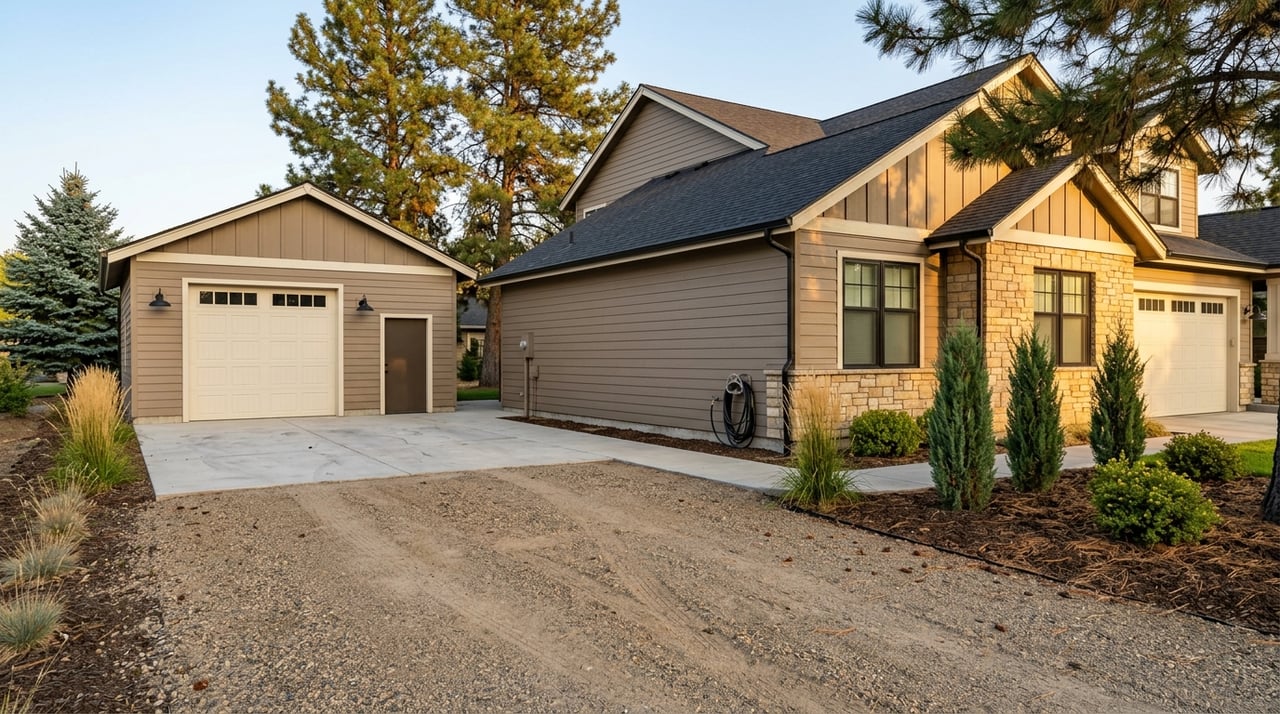
That means your strategy should focus less on saying you have "extra" space and more on showing how that space is useful. A legal RV pad, a functional detached garage, or a well-kept storage building can be very attractive when buyers understand exactly what it offers.
Before your home goes live, confirm that the feature you plan to market is allowed and properly described. The City of Centennial Building Division states that a permit is required for projects involving constructing, enlarging, altering, repairing, moving, demolishing, or changing the occupancy of a building or structure. The city also specifically lists residential temporary or accessory structures such as sheds, carports, and garages.
If you have added a detached garage, carport, shed, workshop, or similar structure, gather any permit records you have. Buyers often ask for this information, and it can also help avoid delays once you are under contract.
You should also confirm zoning for the property address through Centennial’s Community Development resources and property search tool. This is an important first step if you want to verify whether a parking area, outbuilding, or detached structure fits the parcel’s zoning and setback rules.
One of the biggest mistakes sellers make is assuming that RV parking means the same thing to everyone. In practice, there is a big difference between legal off-street RV parking on your property and the ability to store an RV on a public street.
Centennial’s Code Compliance page says an RV may be parked on private property if it has current registration and tags and is operational. At the same time, the city restricts street parking for RVs and trailers in residential districts.
The Centennial municipal code goes further by stating that RVs, trailers, campers, and mobile homes may not be parked on public streets in residential districts except for limited short-duration exceptions. It also states that vehicles parked under those exceptions may not be occupied as sleeping quarters.
For sellers, the takeaway is simple. If your home offers side-yard access, a widened driveway, or a dedicated off-street parking pad, market that clearly. Do not imply that the property comes with broad street-storage rights if the city code does not allow them.
Not all outbuildings contribute value in the same way. Fannie Mae’s appraisal guidance explains that minimal outbuildings may have relatively insignificant value, while larger or more numerous outbuildings can affect how the property is viewed and classified. Appraisers are also expected to describe and analyze these features in the sales comparison process.
That is why vague wording can work against you. Instead of calling something a "bonus structure," it is usually more helpful to use direct, factual labels like:
The goal is to tell a buyer exactly what exists and how it functions. That same clarity can also support the appraisal process, since Fannie Mae notes that appraisers may rely on MLS data, tax records, and other third-party property information.
If you want buyers to respond well to your listing, focus on how the space works in real life. The strongest marketing story is usually not "look at this extra square footage." It is "here is a functional asset that serves a clear purpose."
For RV parking, useful details may include:
For outbuildings, buyers often want to know:
These details help buyers picture everyday use. They also create a cleaner, more complete record for the listing.
If a detached building could be mistaken for living quarters, be especially cautious in how it is described. Centennial’s Accessory Dwelling Unit rules state that ADUs must be permanent, habitable structures, and recreational vehicles and travel-trailers are prohibited as ADUs. The city also requires a pre-submittal meeting before a formal detached ADU permit application.
That means a seller should avoid describing an unpermitted outbuilding as a guest house, apartment, or separate living unit unless it truly meets the applicable requirements. Clear, accurate language helps reduce confusion and keeps your listing aligned with local rules.
Properties with RV parking or outbuildings often involve more moving parts than a typical suburban sale. That is why disclosure matters so much.
Colorado’s current Seller’s Property Disclosure form requires sellers to disclose known adverse material facts, code or city violations, restrictive covenant or HOA rule violations, and additions or non-aesthetic alterations made without a building permit. The form also calls for updates if new adverse material facts become known later.
That same form highlights issues that can be especially relevant here, including:
If your RV access depends on a side yard, shared drive, widened approach, or other unusual setup, it is smart to document that early and clearly.
If your home is in a common interest community, HOA review should be part of your listing prep. Colorado’s disclosure form asks for the association name and contact information, along with information about assessments and common-element issues. That matters because parking, exterior appearance, and use of accessory structures may all be affected by community rules.
A Colorado legislative summary on HOAs notes that associations may generally control parking of vehicles in the community, which makes document review especially important when RV parking is one of the home’s key selling features. At the same time, Colorado law prohibits HOAs from regulating the use of a public right-of-way, so you should not assume HOA rules replace city street-parking laws.
In short, check both. The HOA documents can affect what is allowed on the property, while city rules can affect how RVs and trailers may be parked on public streets.
When a Centennial home has unique storage, parking, or accessory features, a stronger listing package can make a real difference. Buyers tend to respond best when the information is complete, easy to understand, and backed by documentation.
A practical pre-listing checklist includes:
This kind of prep supports better marketing and can reduce surprises during contract negotiations, inspection, or appraisal.
A Centennial home with RV parking or outbuildings is often best sold as documented, legal, functional extra space. That framing is more credible than simply suggesting the feature adds automatic value.
For the right buyer, a detached garage, workshop, storage building, or off-street RV setup can be a major advantage. Your job as a seller is to make that advantage easy to understand, easy to verify, and easy to trust.
If you want help building a clear plan for your Centennial property, connect with Look East Realty for owner-led guidance, thoughtful marketing, and practical support from listing prep through closing.
Discover unparalleled real estate service at Look East Realty. Our commitment to quality and confidentiality ensures your satisfaction. Trust our experienced team to meet all your needs.