Step-By-Step Plan To List Your Deer Trail Acreage
May 7, 2026
May 7, 2026
Selling acreage in Deer Trail is not the same as listing a house on a small in-town lot. Buyers will look closely at access, water, septic, zoning, easements, and how the land actually functions day to day. If you want a smoother sale and fewer surprises, it helps to prepare in the right order before your property hits the market. Let’s dive in.
Deer Trail sits along I-70 in eastern Arapahoe County, about 55 miles east of Denver. That location can appeal to buyers looking for space, but acreage buyers usually need more than curb appeal to feel confident.
On rural listings, the paperwork often matters just as much as the photos. Colorado disclosure forms and county requirements put extra focus on access, easements, water, septic, legal use, environmental conditions, weeds, and agricultural use. That means your best first step is not just tidying up the property. It is getting your facts and records in order.
A practical timing note matters too. Realtor.com’s 2026 analysis points to mid-April as the strongest selling window nationally, with the week of April 12 to 18 standing out. For Deer Trail acreage, that makes early preparation especially important so your land is both photo-ready and document-ready before the market picks up.
Start with the Arapahoe County assessor resources. This is where you can verify the parcel’s legal location, jurisdiction, zoning, districts, tax information, and comparable-sales data.
This step matters because acreage value is rarely based on one simple number. The land, the house, and the outbuildings may all need separate attention when you price the property and explain it to buyers.
If your property has farm or ranch use, look closely at how it is classified. Colorado treats agricultural land differently, and classification can depend on prior and current use, a forest management plan, a perpetual conservation easement, or certain water-right situations.
The assessor may also request supporting items such as a grazing lease, IRS 1040-F, an agricultural land classification questionnaire, or an on-site inspection. If you know this upfront, you can avoid confusion later when buyers ask about taxes or land use.
For Deer Trail acreage, disclosures are a major part of listing prep. If your property includes land only, the Colorado land disclosure form is important. If the property also has a house or other improvements, the residential disclosure form may apply too.
As of 2026, these are current-knowledge forms approved by the Colorado Real Estate Commission, and they are completed by you as the seller, not by your broker. They are not warranties, but they are still a key part of setting buyer expectations.
The land disclosure form asks about a wide range of issues, including:
If there is a house on the property, the residential disclosure form adds items like well permits, drilling records, shared-well agreements, septic details, drainage concerns, and boundary or access issues. Pulling these records early gives you time to fill gaps before buyers start asking questions.
If your acreage has a private well, request and review the well permit file through the Colorado Division of Water Resources. That file may include allowable uses and any available construction or pump records.
This is especially important if buyers may see future potential in the property. In some areas, including Denver Basin or designated basin areas, wells can be subject to additional rules.
It also helps to be realistic about timing. The state says complete reviews for new or replacement well permits can take up to 49 days. If any issue needs clarification, starting early can protect your listing timeline.
Water quality is another practical topic. Colorado notes that private wells are not regulated under the Safe Drinking Water Act, so the owner has primary responsibility for water safety. If you have any water-related records or test results in your possession, keep them organized with the rest of your listing file.
Septic is one of the most important items on an Arapahoe County acreage sale. The county says the seller is required to obtain a use permit before the sale of the property.
That requirement alone makes septic a task to tackle early, not after your home goes live. Older systems may not have complete records, so a licensed installer or certified use-permit inspector or surveyor may need to help locate the system.
If buyers may be drawn to future expansion, septic details matter even more. Arapahoe County says that if someone wants to add a bathroom in a barn or garage and connect it to the septic system, advance notice and approval are required, and the record drawing must be amended before final approval.
You should also keep the septic area looking appropriate for photos and showings. The county says irrigated landscaping is not recommended over the soil treatment area, horses or livestock should not be placed on it, and the area should remain largely untouched.
Acreage buyers want to know exactly how they get in, out, and around the property. The Colorado land disclosure form specifically calls out access problems, roads or driveways used by others, county-road frontage, shared driveways, parking limits, encroachments, and boundary disputes.
That means this is not a detail to gloss over in your prep. Review any surveys, easement documents, or notes you have about shared access, fences, gates, or neighboring use.
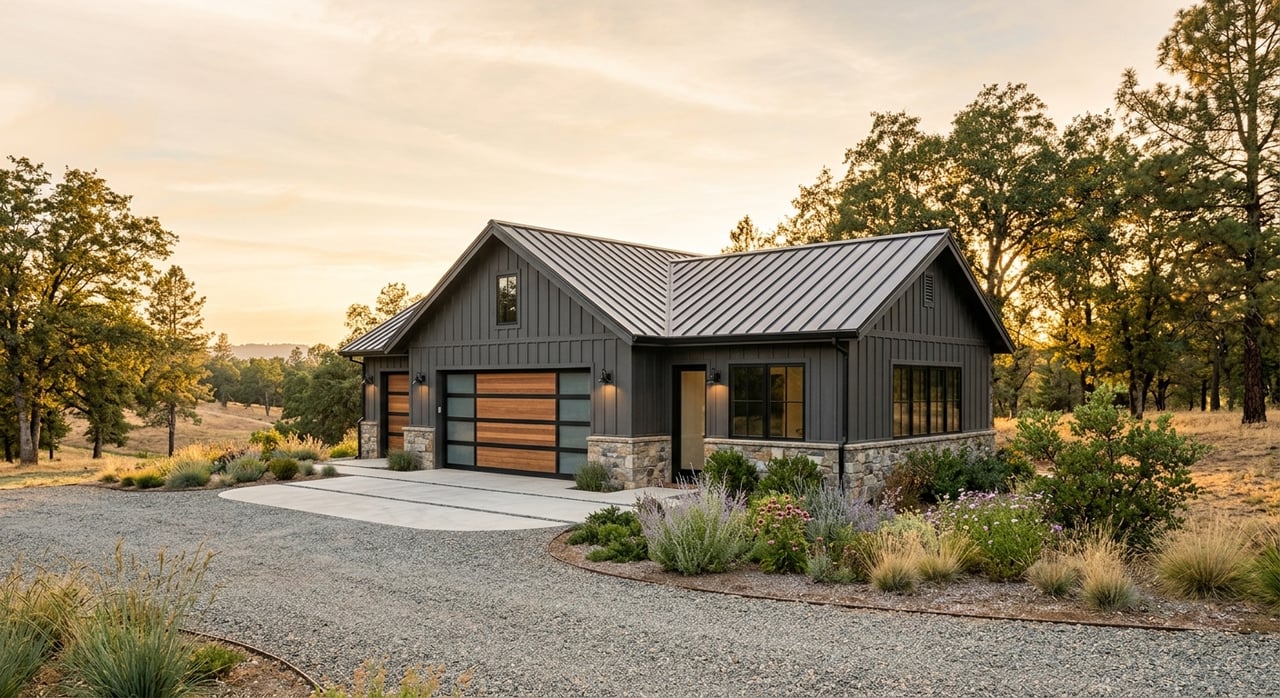
It is also smart to confirm whether outbuildings and improvements sit where they should. In unincorporated Arapahoe County, district rules set minimum lot sizes and setbacks for agricultural and rural-residential districts, and buildings are not permitted in easements unless a recorded letter from the utility easement holder allows it.
If you are marketing a barn, shed, fence, or addition as a permanent improvement, you want to be confident it aligns with county records and rules. That kind of clarity supports cleaner negotiations later.
Once the records are in motion, turn to presentation. On Deer Trail acreage, buyers need to understand the full layout, not just the house.
A strong photo package should show:
This matters because access and functionality are part of the value story. Clear visuals help buyers see how the property works before they ever schedule a showing.
A tidy property photographs better, but it also signals responsible ownership. Around homes and outbuildings, the Colorado State Forest Service recommends defensible space and home hardening.
Its guidance says the 0 to 5 foot zone around a structure should have no vegetation. In the 5 to 30 foot zone, grass should be kept at 4 inches or less.
That guidance applies around detached garages, barns, storage buildings, and other structures too. For sellers, this creates two benefits at once: cleaner marketing photos and a property that feels better maintained when buyers arrive.
If your property has known drainage issues, low areas, or flood-related history, gather that information before listing. The disclosure forms ask directly about flooding and drainage.
Arapahoe County’s rural engineering standards also note that elevation certificates are used for floodplain review of building permit applications for parcels or property along or near major drainageways. If you already have records tied to drainage or floodplain matters, keep them ready for your broker and potential buyers.
Being upfront is not just good practice. It helps reduce confusion, builds trust, and keeps negotiations focused on facts.
Pricing rural property is more layered than pricing a standard subdivision home. In Colorado, agricultural land is valued based on earning or productive capacity, while residential property is valued using the market approach.
That difference matters when your property includes both acreage and improvements. A home, barn, shop, pasture, or agricultural use may not all fit neatly into one pricing lens.
This is where a local, owner-led brokerage can be especially helpful. Look East Realty specializes in acreage, equestrian, and rural-property sales across the Eastern Plains, with the kind of hands-on local knowledge that helps position a property clearly for the right buyers.
After your property is listed and offers start coming in, the process usually stays detail-heavy. Colorado guidance says brokers must present offers in a timely manner and disclose adverse material facts they actually know, including title issues, physical defects, environmental hazards, soil conditions, and zoning or nonconforming-use issues.
During escrow, specific deadlines may apply to inspections, seller repairs, and lending approval. Closings usually happen at a title company or remotely with a closing agent, and recorded documents are sent to the county recorder after closing.
On acreage, buyers may also have broader inspection expectations than they would on a small-lot home. Colorado guidance notes that inspections can include exterior condition, grading and drainage, plumbing, HVAC, electrical, basements, and more, and buyers may bring in additional experts if follow-up issues come up.
If you want a practical order of operations, use this sequence:
Following this order can save time, reduce stress, and help your acreage hit the market in a stronger position.
Selling rural property in Deer Trail takes more than a sign in the yard. It takes a clear plan, solid records, and thoughtful presentation that shows buyers exactly what they are getting. If you want a local strategy built around your land, your improvements, and your timeline, talk with Tania at Look East Realty.
Discover unparalleled real estate service at Look East Realty. Our commitment to quality and confidentiality ensures your satisfaction. Trust our experienced team to meet all your needs.