Weekend Life On A Byers Hobby Farm
March 24, 2026
March 24, 2026
Picture your Saturday starting with a coppery sunrise over open prairie, a warm mug in hand, and the soft cluck of hens as you head out to the barn. If you’re imagining small acreage near Byers, that scene is closer than you think. You want the space, the animals, and a garden that actually grows in our high plains climate, but you also want practical steps so weekend life feels smooth, not stressful. In this guide, you’ll learn what a real Byers weekend looks like, what features matter on hobby-farm properties, the local rules to know, and where to get supplies and support. Let’s dive in.
Byers is an unincorporated community in Arapahoe County on the high plains east of Denver. The Byers CDP recorded 1,322 residents in 2020, which helps explain the small-town pace and easy hellos at the feed aisle. You sit at about 5,200 feet, with long skies and open views that make evenings feel big. Road time to Denver International Airport is often in the 40 to 50 minute range depending on your specific address and traffic. For context on the place and population, see the Byers, Colorado overview.
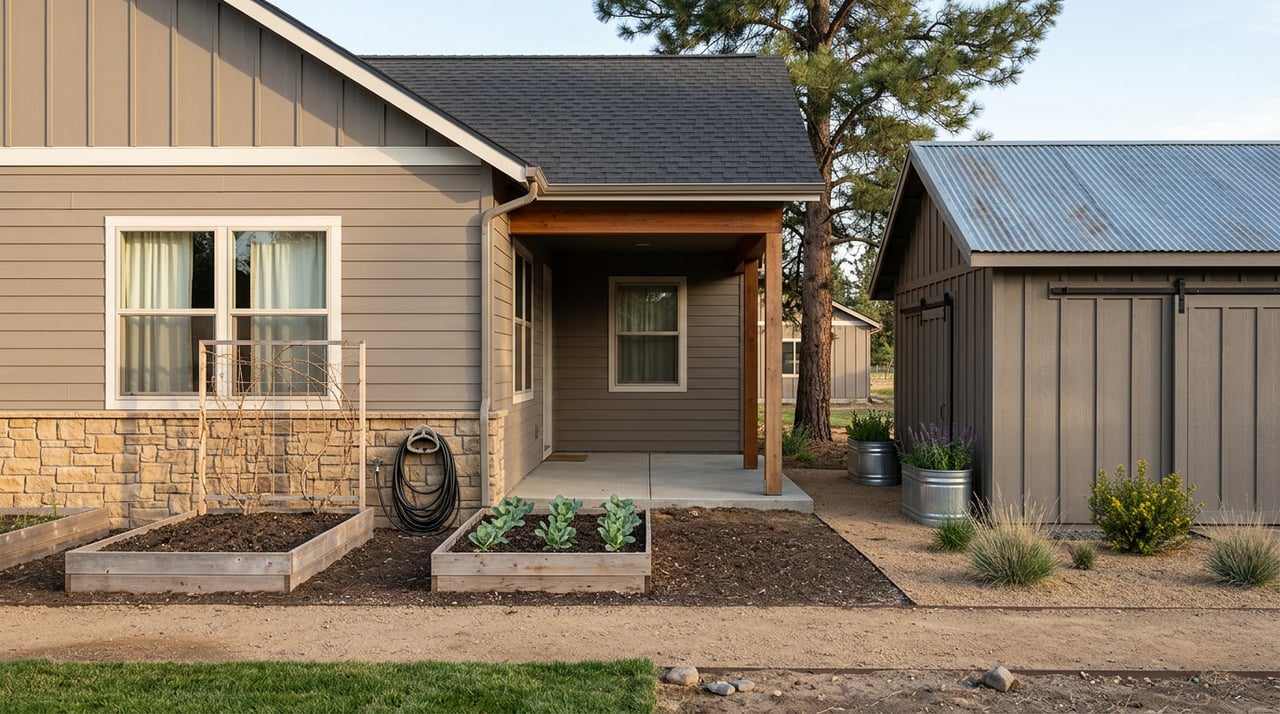
Late May is the safer window for tender outdoor crops, so early spring weekends are for prepping beds and starting seeds indoors. You’ll walk the fence line after winter, rake paddocks, and set up hoses and frost-free hydrants. Many owners schedule a soil test and pick up fresh mulch so planting day is ready to go.
Mornings start with animal checks, fresh water, and quick fence repairs. You’ll water the veggie beds early or in the evening, then swing by Tractor Supply in Bennett for feed, panels, fly spray, or a propane refill. Afternoons can be a round-pen session or a short ride, and in season you might catch a 4-H practice or fair prep with the kids.
Cooler air means stacking and covering hay, checking heaters, and winterizing water systems. You may keep riding on safe days and enjoy those long, flat sunsets that turn bales silver with frost. Inside, the tack room’s small heater keeps gear workable while you plan next spring’s plant list.
Byers sits in a cold semi-arid climate with average annual precipitation in the mid-teens, so water-wise planning pays off. You will see short, cool springs and long sunny days in summer. For climate context, review the local station profile for the area’s cold semi-arid climate and precipitation norms.
You can confirm both with the USDA Zone 5b and local frost dates resource. Before you convert pasture into garden beds, consider a simple soil test and talk with local experts. The CSU Extension soil testing and Master Gardener resources page is a great starting point for timing, plant selection, and practical how-tos.
Many small-acreage listings near Byers include a pole barn, loafing shed, or quonset-style shop. These spaces become your weekend headquarters for hay, tack, small tractors, and shelter during summer storms. A small, insulated tack room makes winters more comfortable.
Expect cross-fenced pastures, pipe or wood post-and-rail fencing for horses, and welded panels for corrals. Some properties include a round pen or small arena for training. When you walk a listing, note gate widths, water access at each paddock, and wind patterns that affect shelter.
Look for frost-free hydrants, stock tanks, and, in some cases, small turnout ponds. Many rural parcels rely on a private well and propane. Ask for well details up front and check where hydrants sit relative to paddocks to keep chores quick.
Gravel drives and county roads are common. Understand who handles snow removal and how spring mud affects access. A well-sited gravel pad by the barn keeps hay deliveries and trailer parking simple.
Arapahoe County’s Land Development Code lays out zoning and animal standards for rural districts. If you plan to keep horses, goats, or backyard hens, confirm what is allowed on your specific parcel, including setbacks for private stables and any odor or noise standards. Use the Arapahoe County Land Development Code to verify permitted uses, stable siting, and animal allowances.
Tip: Review the zoning district, any covenants, and the county’s setback diagrams before you picture turnout right next to your patio.
Private wells and on-site wastewater systems are common in the Byers area. These systems are reliable when documented and maintained, so make them part of your early questions.
If you plan an accessory dwelling or want to expand animal operations, approvals may depend on your well and septic capacities, so bring those documents to your agent early.
Use this list while you tour and compare properties.
If you want open skies, space for horses or hens, and a garden that fits a short, sunny growing season, Byers offers a grounded, weekend-friendly rhythm. The chores are real, but so are the rewards: quiet mornings, a tidy barn you are proud of, and produce that tastes better because you grew it.
When you are ready to explore properties, work with a local who understands wells, septic, zoning, and equine features. Look East Realty is an owner-operated brokerage based in Bennett that specializes in acreage, equestrian, and rural properties. Talk with Tania for a clear plan that matches your goals and timeline.
Discover unparalleled real estate service at Look East Realty. Our commitment to quality and confidentiality ensures your satisfaction. Trust our experienced team to meet all your needs.